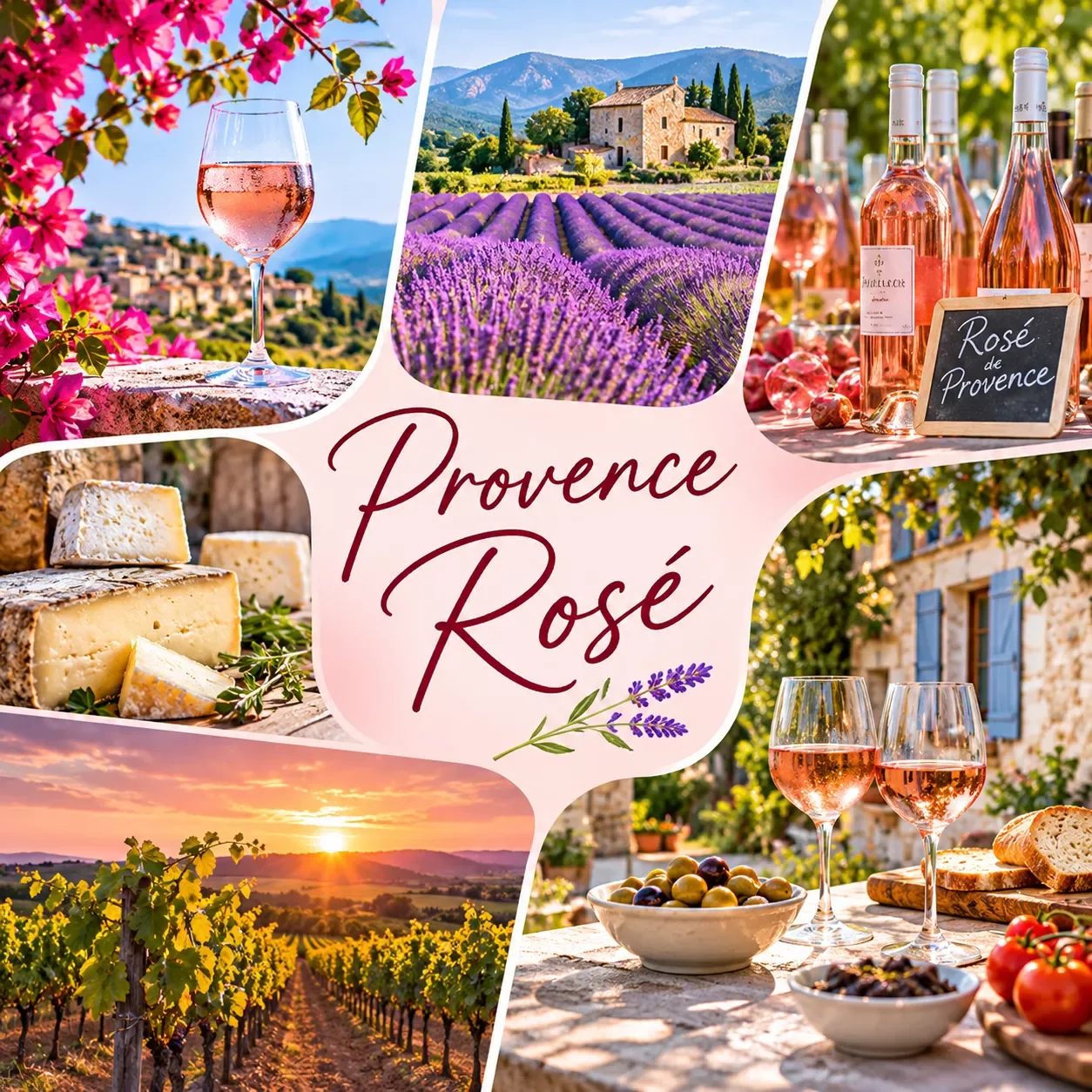
In the Heart of Southern France’s Wine Culture
Summer in Provence feels like stepping onto a film set. The air carries the scent of pine resin and lavender, cicadas hum in the background, and between the sunlit hills, glasses of rosé shimmer in soft shades of pink. One can almost believe that time moves more slowly here - perhaps that is why the wine tastes different, too.
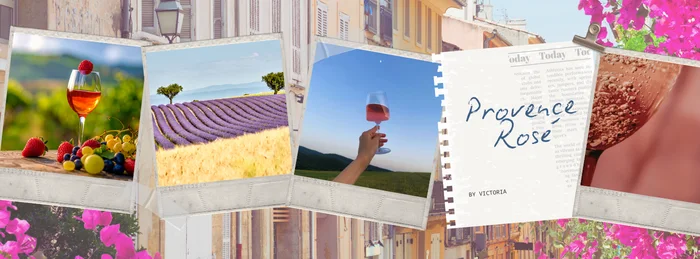
My journey to Provence was not originally about wine. I was in Cannes with my daughter for a ballet audition. But as so often happens, the best discoveries are unplanned. Between rehearsals and the rhythm of city life, I suddenly found myself at a small vineyard hidden beneath the trees, holding a glass of rosé - and from that moment on, there was no turning back.
Provence is a living French fairytale: rolling hills covered in lavender, medieval villages carved into cliffs, winding forest roads beneath which the region’s “black diamonds” - truffles - lie hidden in the soil. Here, rosé is not merely a drink. It is a lifestyle. An atmosphere. A way of seeing the world.
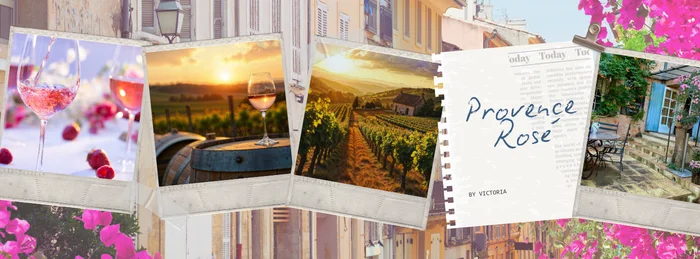
Falling in Love with Rosé in Provence
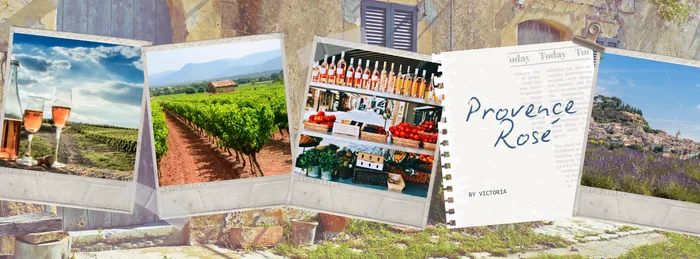
My curiosity turned into genuine passion the moment I stepped into a local wine shop and found myself surrounded by a hundred different bottles of rosé. The colors ranged from pale salmon to deep raspberry tones. That was when the question formed in my mind: why is rosé so deeply rooted in the culture of Southern France?
Many people consider rosé a simple summer wine - an easy drink to sip by the sea while cicadas sing in the heat. And indeed, few things are more refreshing on a hot afternoon than a perfectly chilled glass of rosé. But Provence revealed that rosé is far more than that.
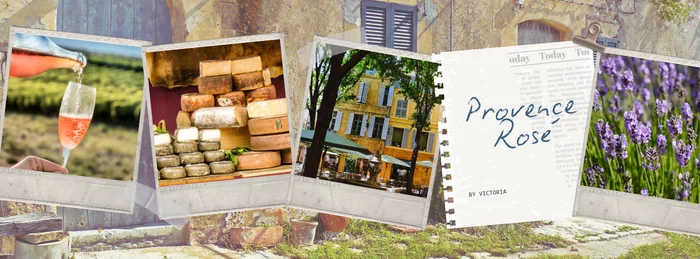
Here, rosé is part of the cultural identity. It appears at family meals, in shared stories, and in long-standing traditions. It can be casual or refined, surprising or familiar. I tasted oak-aged rosés that rivaled serious reds in depth and character. Some paired beautifully with aged cheeses, others with grilled meats or creamy gratins - and each pairing felt perfectly natural.
What Makes Provençal Rosé Unique?
The winemakers I met shared an important lesson: color does not define quality. A paler rosé is not necessarily superior. Darker shades can indicate more body, richer fruit flavors, and longer skin contact during production. It is not a flaw - it is a stylistic choice. The true secret of exceptional rosé lies in balance, not simply in its hue.
What surprised me most, however, was the wine’s versatility. One evening, we dined on a small village terrace. An elderly couple beside us slowly sipped their rosé while their grandchildren played near the pool. The same wine was later served in a Michelin-starred restaurant. The following morning at the local market, a farmer offered a taste of rosé alongside his handmade goat cheese.
The same wine. Different moments. The same authenticity.
Ten Days of Rosé - A Lesson in Simplicity
After ten days in Provence, I was no longer just tasting rosé - I was beginning to understand it. I understood why it is such an essential part of life here. Rosé does not try to be anything more than it is. It is simple. Honest. Clean. And perhaps that is precisely why it is so deeply loved.
Perhaps that is why I fell in love with it, too.