
History, Architecture and the Legacy of the Paris Opera House
The Palais Garnier is one of the most iconic landmarks in Paris and a defining symbol of 19th-century French architecture. Inaugurated in 1875 and designed by architect Charles Garnier under Napoleon III, the opera house embodies the grandeur of the Second Empire style and remains one of the most celebrated cultural institutions in Europe.
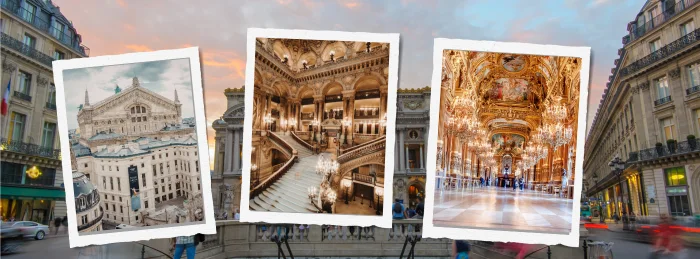
More than a performance venue, the Palais Garnier is an architectural statement - a synthesis of sculpture, painting, decorative arts, and engineering. Conceived at a time when Paris was redefining itself through Haussmann’s urban transformation, the building was designed not only to host opera and ballet, but to express national prestige.
Architecture and Design
The exterior façade is richly ornamented with columns, gilded statues, and allegorical figures representing harmony, poetry, and music. The eclectic design blends Baroque exuberance with classical symmetry, creating a theatrical presence even before one steps inside.
The Grand Staircase (Grand Escalier) is among the most photographed features of the opera house. Crafted from white marble and framed by red and green marble balustrades, it rises in two sweeping flights beneath a ceiling adorned with elaborate frescoes. Caryatids and sculptural details reference drama and music, reinforcing the building’s artistic purpose.

The Grand Foyer - often compared to the Hall of Mirrors at Versailles - extends along the façade overlooking the Avenue de l’Opéra. Gold leaf, mirrors, painted ceilings, and crystal chandeliers define the space. Designed as a social promenade during intermissions, it reflects the 19th-century concept of the opera as both artistic and societal spectacle.
The Auditorium and Chagall’s Ceiling
The horseshoe-shaped auditorium follows the traditional Italian opera house model, ensuring both intimacy and acoustical excellence. Red velvet seating, gilded balconies, and private boxes create a richly layered interior.
In 1964, artist Marc Chagall was commissioned to create a new ceiling painting for the auditorium. His vibrant, modern composition - depicting scenes from famous operas - contrasts with the 19th-century décor, establishing a dialogue between historical architecture and contemporary art.

Suspended at the center is the monumental crystal chandelier weighing over six tons. It has become part of the opera house’s mythology, notably linked to The Phantom of the Opera, which helped cement the building’s global cultural aura.
Home of the Paris Opera Ballet
The Palais Garnier is one of the homes of the Paris Opera Ballet, the world’s oldest national ballet company. Founded in the 17th century under Louis XIV, the institution continues to shape the evolution of classical and contemporary dance.
The company includes more than 150 dancers, among them étoiles and premier danseurs, and maintains a rigorous training tradition through the Paris Opera Ballet School. Over the decades, renowned choreographers such as Maurice Béjart, Roland Petit, and Pina Bausch have contributed to its repertoire.
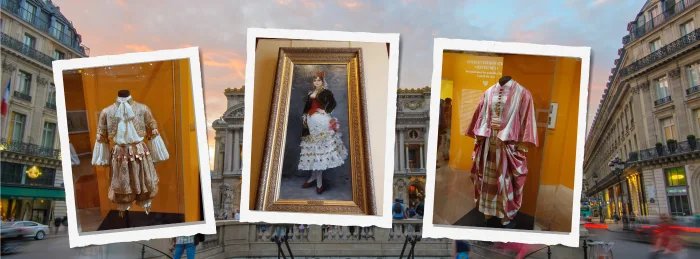
Today, while major opera productions are primarily staged at the Opéra Bastille, the Palais Garnier remains central to ballet performances and special events, preserving its historic role within the Paris Opera institution.
Visiting the Palais Garnier
As one of the top cultural attractions in Paris, the Palais Garnier is open to visitors outside performance hours. Guided and self-guided tours allow access to the Grand Staircase, Grand Foyer, auditorium (subject to rehearsals), and temporary exhibitions.

For travelers exploring Paris, the opera house offers more than architectural beauty - it provides insight into France’s artistic heritage and the evolution of European performing arts.
Spring is when Paris reveals its most enchanting side - discover more in Joie de France Magazine (pages 6–9), and don’t miss the opportunity to visit the magnificent Palais Garnier during your stay.